To keep your outboard motor running smoothly, regularly check the fuel filter and lines, and use high-quality fuel. Rinse the engine with fresh water after saltwater use to prevent corrosion, and inspect critical components like anodes and the propeller for wear. Replace worn parts as needed, and consider using a fuel stabilizer during long-term storage. By following these steps, you’ll enhance performance and longevity. There’s plenty more to explore about effective maintenance strategies!
Key Takeaways
- Regularly check and replace the fuel filter to ensure a clean fuel system for optimal engine performance.
- Use high-quality, uncontaminated fuel and add fuel stabilizer for long-term storage to prevent fuel degradation.
- Rinse the engine with fresh water after saltwater use and apply corrosion inhibitors to protect metal surfaces.
- Inspect critical components, including anodes and propellers, for wear or damage, replacing them as necessary.
- Perform routine maintenance to keep engine components in good condition and extend the overall lifespan of the motor.

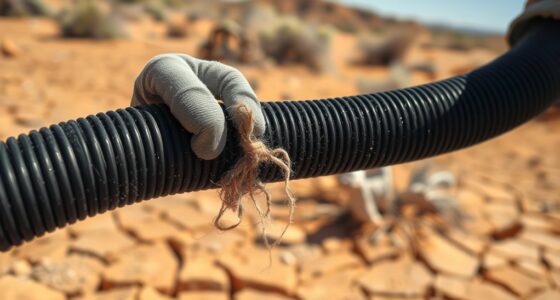
Whether you’re a seasoned boater or just getting started, proper outboard motor maintenance is essential for keeping your engine running smoothly. One of the key areas you should focus on is the fuel system. A clean and well-maintained fuel system ensures that your engine gets the right amount of fuel, which is critical for ideal performance. Start by checking the fuel filter regularly. If it’s clogged, it can restrict fuel flow and lead to engine stalling or poor performance. Replace it as recommended by the manufacturer. Also, inspect the fuel lines for any cracks or leaks. Even a small leak can create considerable issues, so don’t overlook this crucial component.
Proper outboard motor maintenance starts with a clean fuel system for optimal engine performance. Regularly check filters and lines for issues.
Another critical aspect of maintaining your fuel system is using the right type of fuel. Always opt for high-quality fuel and avoid using old or contaminated fuel, as it can damage your engine. If you’re storing fuel for an extended period, consider using a fuel stabilizer to prevent degradation. This helps maintain the integrity of the fuel and keeps your engine running efficiently when you’re ready to hit the water.
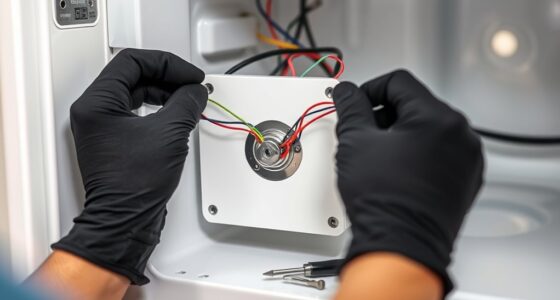
Corrosion prevention is another essential part of outboard motor maintenance, especially if you frequently operate in saltwater conditions. Salt can be particularly harsh on metal components, leading to rust and corrosion. Start by rinsing your engine with fresh water after each use, especially if you’ve been in saltwater. This simple step can extend the life of your motor considerably. Additionally, apply a corrosion inhibitor to exposed metal surfaces to create a protective barrier against the elements.
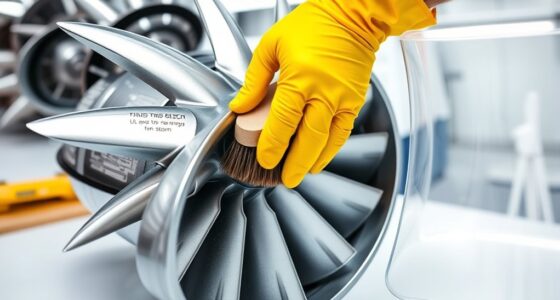
Don’t forget to check the anodes on your outboard. These sacrificial components help protect your motor from corrosion by attracting corrosive elements. If you notice they’re considerably worn down, replace them to ensure ongoing protection. Regularly inspect all components, including the propeller and lower unit, for any signs of corrosion. Taking care of these small details can make a big difference in the overall health of your motor. Furthermore, regular maintenance can help ensure that your engine runs at optimal performance levels, reducing the risk of unexpected failures on the water.
BLUEAIR Air Purifiers for Large Rooms, Cleans 3,048 Sqft In One Hour, HEPASilent Smart Air Cleaner For Home, Pets, Allergies, Virus, Dust, Mold, Smoke - Blue Pure 211i Max
BLUEAIR’S TOP-PERFORMING AIR PURIFIER LINE: Blue family’s new Pure Max series with our proprietary HEPASilent performance now even...
As an affiliate, we earn on qualifying purchases.
Frequently Asked Questions
How Often Should I Replace the Fuel Filter?
You should replace your fuel filter every 100 hours of operation or at least once a season, whichever comes first. The fuel filter lifespan can vary based on your usage and fuel quality, so keeping an eye on its condition is key. If you notice any reduction in engine performance or fuel flow, it’s a good idea to check and replace it sooner. Regular replacement intervals help keep your engine running smoothly.
What Tools Do I Need for Basic Maintenance?
For basic maintenance, you’ll need a tools checklist that includes wrenches, screwdrivers, pliers, a spark plug socket, and a multimeter. Don’t forget a fuel line wrench and a filter wrench for easy access. A torque wrench is essential for tightening bolts to manufacturer specifications. Stick to a maintenance schedule to guarantee you have everything on hand when you need it. Keeping your tools organized will make your maintenance tasks much smoother!
Can I Use Automotive Oil in My Outboard Motor?
Sure, using automotive oil in your outboard motor’s not the best idea. It might seem convenient, but it can lead to engine damage. Outboard motors need specific oils designed for their unique requirements. While you’re at it, don’t forget about fuel filter replacement; that’s vital for keeping your engine running smoothly. Stick to marine-grade oils, and you’ll keep your outboard purring like a kitten instead of sputtering like a tired old car.
How Do I Winterize My Outboard Motor?
To winterize your outboard motor, start by draining the fuel and adding a fuel stabilizer. Next, flush the engine with fresh water and apply antifreeze according to the manufacturer’s instructions. Don’t forget to change the oil and replace the oil filter. For storage tips, keep the motor in a dry, covered area to prevent moisture buildup. Finally, check the battery and store it in a warm place to avoid freezing.
What Are Signs of a Failing Outboard Motor?
If your outboard motor’s showing signs of failure, you’ll notice engine overheating or strange engine noises. An overheating engine often indicates cooling system issues, while odd sounds might suggest internal damage or wear. You might also experience reduced power or difficulty starting, which can signal serious problems. Keep an eye out for these signs, and don’t ignore them, as timely action can save you from costly repairs or unsafe situations on the water.

ZBPRESS 10" Sand Filter 1/3HP Pool Pump,2640 GPH High-Flow,Sand Filter Pump for Above Ground Pool,for Pools Up to 10000 Gallons
POWERFUL ABOVE-GROUND POOL FILTRATION: This sand filter pump for above ground pools comes in a package that includes...
As an affiliate, we earn on qualifying purchases.
Conclusion
By prioritizing proper outboard motor maintenance, you’ll guarantee smooth sailing and splendid summer adventures. Regular checks and timely tune-ups not only boost performance but also build your confidence on the water. Don’t let neglect sink your spirit; instead, embrace these essential practices to keep your boat buoyant and your memories magnificent. With a little care, you’ll create countless cherished moments, turning every trip into a thrilling tale of triumph on the waves.
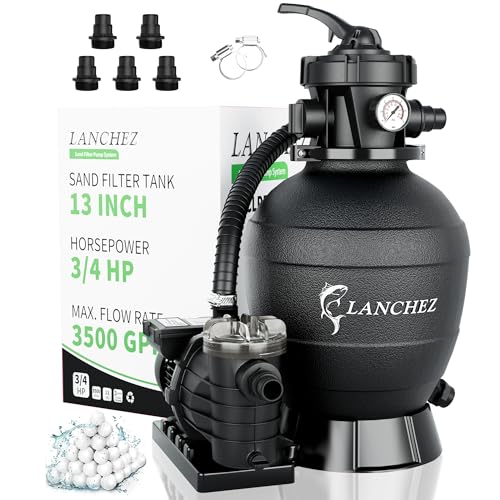
LANCHEZ Sand Filter Pump for Above Ground Pool, Pool Pumps Above Ground, Pool Sand Filter with 7-Way Valve, 13in 3/4HP 3500GPH
High Efficiency Filtration: LANCHEZ pool filter system is easy to install and runs strong keeping your water sparkling...
As an affiliate, we earn on qualifying purchases.
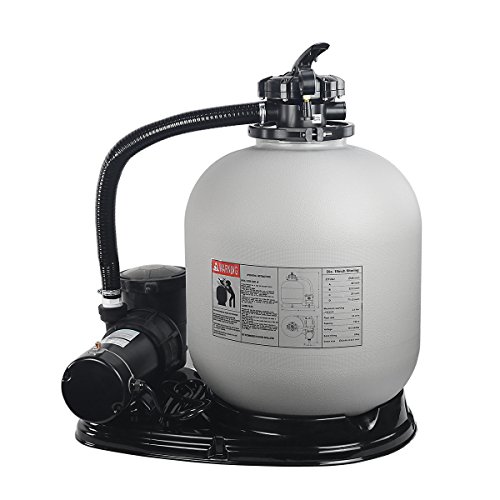
XtremepowerUS 19" Sand Filter 1.5HP Pump 4500 GPH Swimming Pumps System & Filters Combo Set Multi-Port Valve, for Domestic and Commercial Pools up to 18,000 Gallons Pool
Powerful, All-in-One Performance - With an impressive flow rate of 4,500GPH, 1.5HP sand filter pump is ideal for...
As an affiliate, we earn on qualifying purchases.