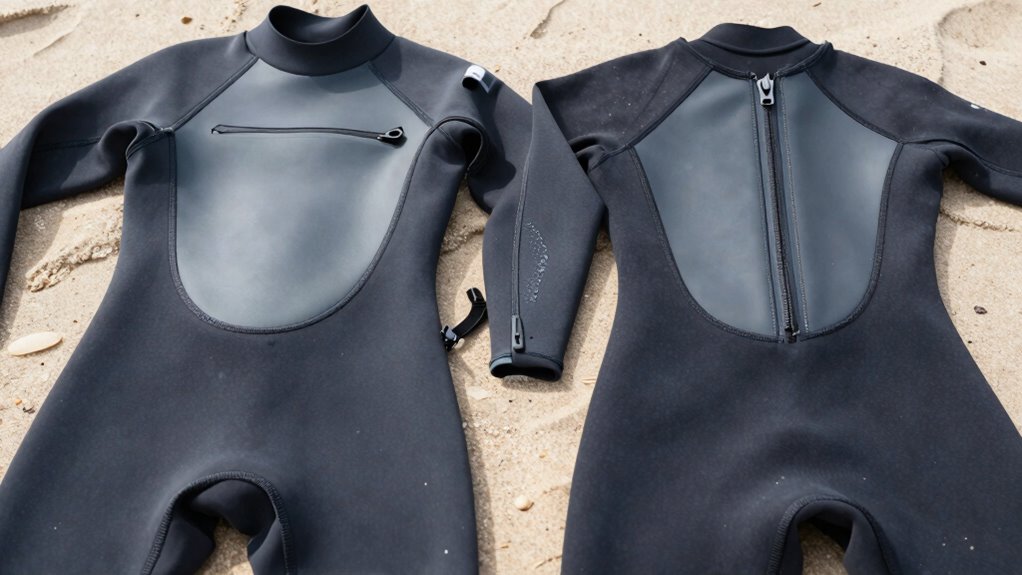
Choosing between chest-zip and back-zip wetsuits impacts your comfort and ease of use. Chest-zips offer a snug, streamlined fit with less water seepage and fewer seams, making them more comfortable for active movements. Back-zips are easier to get on and off quickly, but may allow more water into the suit. Your preference depends on your activity and comfort needs—keep exploring to discover which style suits you best.
Key Takeaways
- Chest-zip wetsuits offer a snug, streamlined fit, enhancing comfort and reducing water flushing during use.
- Back-zip suits are easier to put on and take off, providing convenience but may feel looser and less flexible.
- The placement of zippers affects skin irritation; minimal seams in chest-zip suits can improve overall comfort.
- Flexibility varies with suit thickness; thinner wetsuits in both styles allow greater movement, impacting comfort.
- Proper fit and zipper tension are crucial for maximizing comfort and preventing chafing in either wetsuit type.
As an affiliate, we earn on qualifying purchases.
What Are Chest-Zip and Back-Zip Wetsuits?

Have you ever wondered what sets chest-zip and back-zip wetsuits apart? The main difference lies in their design and how they impact wetsuit insulation and durability. Chest-zip wetsuits feature a zipper on the chest, which allows for a more streamlined fit. This design often results in better wetsuit insulation because there’s less water entering the suit, keeping you warmer. Back-zip wetsuits have the zipper on the back, making them easier to put on and take off. However, the back zipper can sometimes compromise wetsuit durability, especially around the zipper area, and may allow more water to seep in. Both types are built to withstand water pressure, but their construction and zipping style influence how long they last and how well they insulate you. Exploring digital concepts can help you understand how these design choices affect performance.
How Do Chest-Zip and Back-Zip Wetsuits Differ?

How Do Chest-Zip and Back-Zip Wetsuits Differ?
While both chest-zip and back-zip wetsuits serve the same purpose of keeping you warm in the water, they differ considerably in how they fit and function. Chest-zip wetsuits have a zipper that runs across your chest, offering a snug, streamlined fit that’s popular among surfers and progressive fashion trends. Back-zip suits feature a zipper along your back, making donning and doffing easier, but sometimes at the expense of a looser fit. Wetsuit materials like neoprene vary in thickness and flexibility, influencing comfort and thermal protection. Regular maintenance of your wetsuit can also enhance its lifespan and performance. Chest-zip designs often use softer, more flexible materials around the neck and shoulders, enhancing movement. Meanwhile, back-zip wetsuits may incorporate more durable materials along the zipper line to withstand frequent use. Choosing the right wetsuit type can significantly enhance your overall thermal protection. Many users find that lightweight materials in chest-zip wetsuits improve comfort without compromising thermal efficiency.
Which Wetsuit Style Is More Comfortable in the Water?

When it comes to comfort in the water, the choice between chest-zip and back-zip wetsuits can make a noticeable difference. Your comfort depends largely on wetsuit material and wetsuit thickness. Thinner wetsuits, around 2mm to 3mm, are more flexible and allow for easier movement, regardless of style. Thicker wetsuits provide warmth but can feel restrictive, especially if the material is stiff. Chest-zip wetsuits tend to offer more stretch around the chest and shoulders, making them more comfortable during active movement. Back-zip wetsuits are often easier to get on and off but may feel slightly less flexible across the back. Ultimately, comfort hinges on how the wetsuit fits your body, the material’s flexibility, and the wetsuit thickness. Additionally, considering the thickness of wetsuits can significantly impact your overall experience in the water.
Are Chest-Zip Wetsuits Easier to Put On and Take Off?
Are Chest-Zip Wetsuits Easier to Put On and Take Off?
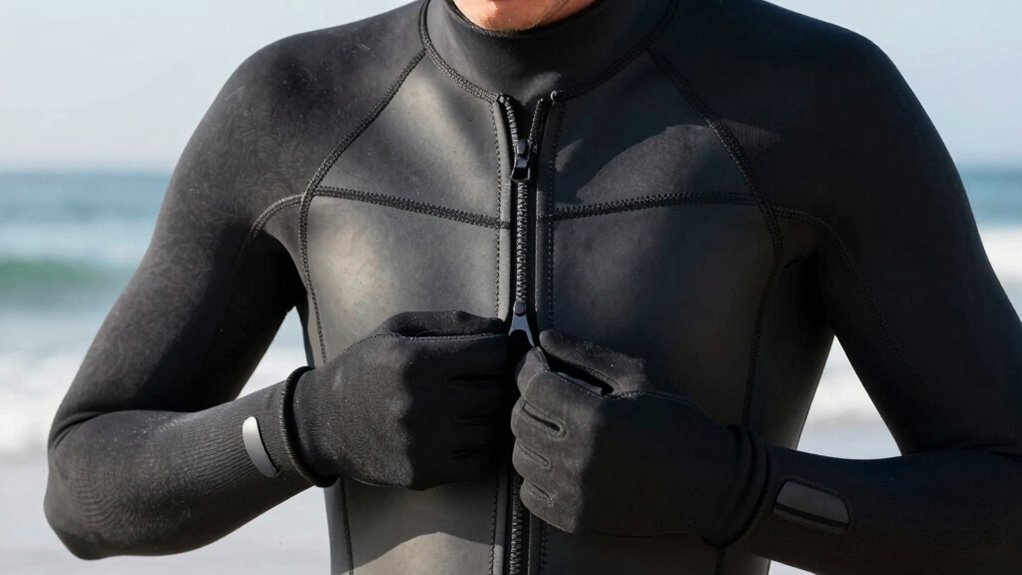
Chest-zip wetsuits typically offer easier entry and exit compared to back-zip styles. You’ll find less struggle when putting it on or taking it off, especially during quick changes. This makes chest-zip designs more convenient for frequent use or when you need to gear up fast. Additionally, incorporating safety tips into your wetsuit usage can enhance your overall experience and prevent accidents. Maintaining optimal air quality can further improve your comfort while wearing a wetsuit, especially in humid conditions. Using a misting fan can provide a refreshing breeze that helps regulate your body temperature while you’re suited up. Moreover, the experience of wearing a wetsuit can be enhanced by engaging in aquatic exercise, which promotes overall body comfort and reduces the feeling of restriction. Choosing the right suit can also contribute to a more enjoyable lifestyle upgrade, making each water adventure more enjoyable.
Easy Entry and Exit
Compared to back-zip wetsuits, chest-zip models generally offer easier entry and exit. The key is material flexibility around the chest area, which allows for smoother movement when pulling the suit on or off. Because the zipper is located on the front chest, it’s easier to position your arms and shoulders during entry. You won’t have to struggle to align the zipper or contort your body as much. The zipper placement also means less pulling on delicate seams, reducing the chance of damage. Overall, chest-zip wetsuits provide a more straightforward, less frustrating process for getting in and out of your suit, especially for beginners or those with limited flexibility.
Less Struggling During Wear
Because of their design, chest-zip wetsuits often make wearing and removing the suit less frustrating. The placement of the zipper at the chest means fewer obstacles when slipping into or out of the suit, reducing struggle. Wetsuit materials like flexible neoprene allow easier movement, making donning and doffing smoother. Since chest-zip wetsuits typically have fewer seams across the back, you won’t fight against tight spots or snagging. This design also helps with temperature regulation, as you can more easily adjust the suit for comfort. Overall, you’ll find it less of a hassle to put on and take off a chest-zip wetsuit, especially when compared to back-zip designs that often require more effort. The result is a more straightforward, less stressful experience, especially when you consider how eco-friendly practices can enhance overall comfort in your aquatic activities.
What Are the Pros and Cons of Chest-Zip Wetsuits?
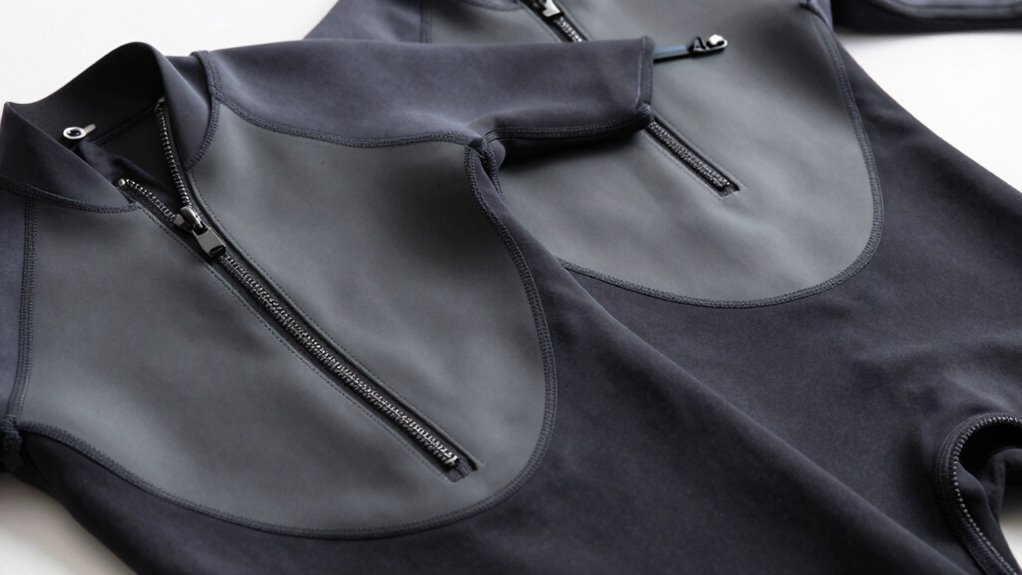
Chest-zip wetsuits are typically easier to get on and off, saving you time and effort. However, they can sometimes allow more water to flush in during use, which may affect warmth. Considering these factors helps you decide if a chest-zip suit suits your needs. Additionally, incorporating practices like mind-body healing can enhance your overall comfort and well-being during water activities. It’s also important to be aware of signs of heatstroke when engaging in prolonged water activities, as overheating can impact your performance and safety. Understanding how manipulation tactics can affect your emotional state may also help you choose the right gear for your experience. Moreover, investing in high-quality car protection accessories can ensure your gear remains in optimal condition during your adventures. Additionally, being mindful of proper toilet maintenance can prevent issues related to water efficiency while you’re out in nature.
Ease of Entry
Have you ever struggled to get into a wetsuit quickly and comfortably? Chest-zip wetsuits often make this easier because of their design, which allows for a wider entry point. Material flexibility plays a big role—stretchy neoprene helps you slide in without much fuss. Plus, with more flexible materials, you can achieve a snug fit without feeling cramped. Many brands also offer a variety of color options, making it easier to find a suit that suits your style and visibility preferences. Compared to back-zip suits, chest-zips usually require less effort to put on and take off, especially if you’re flexible. Overall, the ease of entry is a clear advantage, saving you time and reducing frustration before you even hit the water.
Potential Water Flushing
One potential drawback of chest-zip wetsuits is the possibility of water flushing through the zipper opening, which can affect your comfort and insulation. When water enters, it reduces water retention and hampers temperature regulation, making you feel colder faster. This can be especially noticeable during long sessions or in choppy waters. However, there are some advantages:
- Easier to adjust or repair if needed
- Less material around the neck, reducing chafing
- Lighter design due to fewer layers
- Faster to put on and take off
While water flushing can compromise warmth, the quick entry and exit might be beneficial for comfort and convenience. Understanding this trade-off helps you choose the wetsuit that best suits your surfing style and environment.
What Are the Benefits and Drawbacks of Back-Zip Wetsuits?

Back-zip wetsuits offer several advantages that appeal to many surfers and water enthusiasts, but they also come with some drawbacks to contemplate. They often provide easier donning and removal, especially with their zipping mechanisms designed for quick access. However, their design can sometimes compromise wetsuit insulation, leading to potential water flushing. The back zipper may create gaps that reduce warmth, especially if not sealed properly.
| Feature | Benefit | Drawback |
|---|---|---|
| Zipping mechanisms | Easy to put on and take off | May cause water flushing |
| Wetsuit insulation | Good warmth when sealed properly | Reduced if zipper isn’t tight |
| Comfort | Secure fit during activities | Less flexible around back |
| Durability | Long-lasting with quality zippers | Zippers can wear out over time |
What Factors Should You Consider When Choosing a Wetsuit Zipping System?

Choosing the right zipping system for your wetsuit depends on several practical factors. First, consider material durability—some zippers withstand frequent use and saltwater better, ensuring longevity. Additionally, effective copywriting can help you articulate your preferences when discussing wetsuit options with retailers. Second, think about aesthetic appeal, as the zipper design can influence the wetsuit’s overall look. Third, assess ease of entry and exit; chest zips often offer better flexibility, while back zips may be quicker to put on. Fourth, evaluate how securely the zipper seals to prevent water entry, impacting warmth and comfort. Other aspects include your preferred level of convenience and the type of water activities you pursue. Balancing durability, aesthetics, and practical usability helps you choose a zipping system that fits your needs and enhances your wetsuit experience. Additionally, understanding air fryer cooking techniques can improve your overall comfort during water sports by keeping your body warm post-activity. Moreover, considering the importance of cookie consent management can enhance your overall digital experience when researching wetsuit options online. A good wetsuit can significantly impact your fitness journey, making it easier to stay motivated and active in the water. For optimal performance, ensure your wetsuit is paired with the right oil to maintain flexibility and durability over time.
How Can You Maximize Comfort in Any Wetsuit Style?
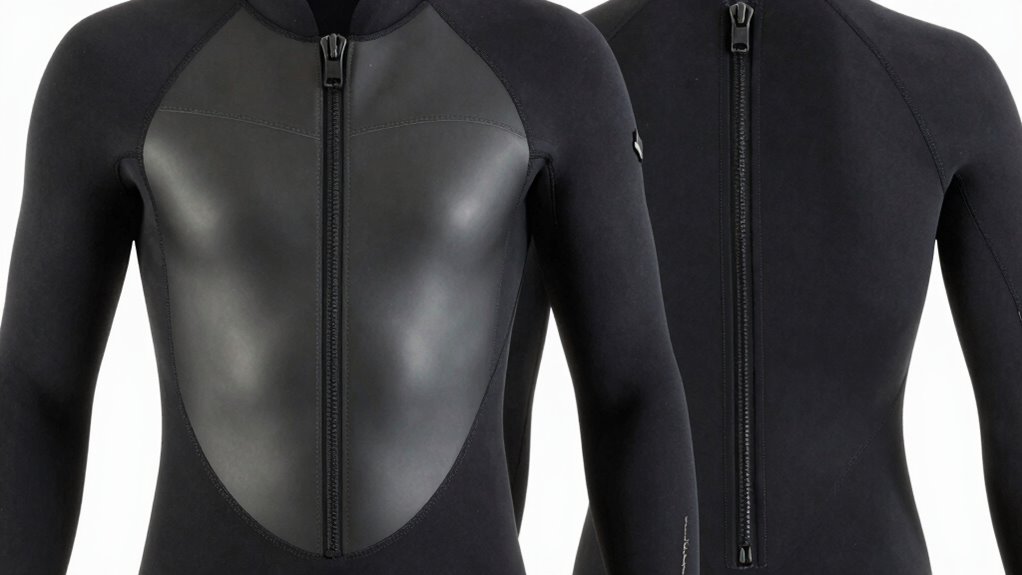
Maximizing comfort in any wetsuit style starts with ensuring it fits properly. A well-fitting wetsuit enhances wetsuit insulation, keeping you warm and reducing water leaks that can cause discomfort. Pay attention to the zipping mechanics; smooth, secure zippers prevent chafing and make donning and doffing easier. For added comfort, choose a wetsuit with minimal seams or flatlock stitching, which reduces irritation against your skin. Additionally, choosing the right yarn weight can make a significant difference in overall comfort for extended wear. Adjust the zipper tension to avoid tightness or pinching, and consider features like a zipper flap or seal to prevent water entry and enhance insulation. Additionally, proper care of your wetsuit, including eco-friendly disposal methods, ensures it remains in good condition for longer, contributing to sustainable practices. Effective personal finance planning can also ensure you invest wisely in quality gear that enhances your experience. Proper fit combined with thoughtful design ensures your wetsuit stays comfortable during extended sessions, allowing you to focus on your activity without distractions from discomfort or cold.
Summary: Which Wetsuit Zipping System Is Right for You?
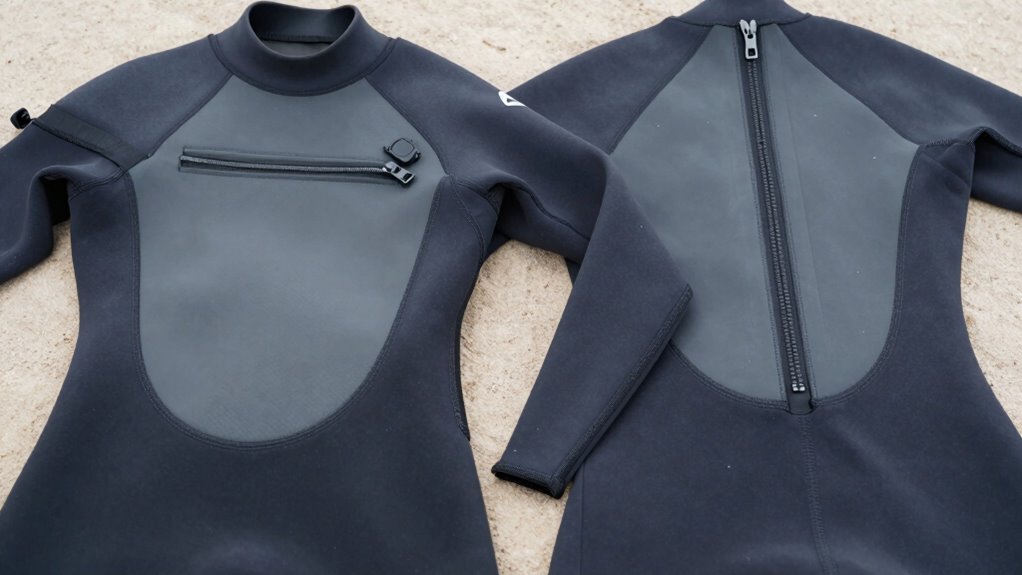
Deciding on the right wetsuit zipping system depends on your priorities, activity level, and comfort preferences. If you value ease of donning and doffing, a back-zip wetsuit might suit you better. For a sleeker profile aligned with current fashion trends, a chest-zip offers a more modern look and less water entry. Consider environmental impact: some brands produce eco-friendly wetsuits with minimal material waste, regardless of zip type. Your activity also matters—high-mobility sports may benefit from the flexibility of chest-zips. Ultimately, think about long-term comfort and convenience, especially if you surf frequently. Additionally, accessibility features can enhance your experience, making it easier for all users to enjoy their time in the water.
- Ease of use and comfort
- Style and fashion trends
- Environmental impact
- Suitability for activity level
Frequently Asked Questions
How Do Different Zipping Systems Affect Wetsuit Durability?
Different zipping systems impact wetsuit durability by influencing the material durability and zipping mechanism. A chest-zip tends to put less strain on the zipper, reducing wear and tear over time, making it more durable. Conversely, back-zip systems may experience more stress on the zipper due to stretching, potentially leading to faster deterioration. Your choice in zipping system directly affects how well your wetsuit holds up with regular use.
Are There Specific Water Temperatures Best Suited for Each Style?
Think of your wetsuit as a guardian against the elements. For colder waters, a chest-zip wetsuit offers better neoprene insulation and minimizes water retention, keeping you warmer. In milder conditions, a back-zip allows for easier donning and comfort, though it might let in more water. Choose based on temperature; chest-zip suits excel in frigid waters, while back-zip suits suit warmer, more temperate seas.
Can Zipping Style Impact Wetsuit Buoyancy or Flexibility?
Your zipping style can influence wetsuit flexibility and zipping comfort. A chest-zip wetsuit often offers better flexibility across your shoulders and chest, making it easier to move naturally. Conversely, a back-zip wetsuit might feel a bit stiffer but provides a snug fit that some find more comfortable. Zipping comfort varies, so choose the style that allows you to move freely and feels most comfortable during extended sessions.
How Do Zipping Systems Influence Wetsuit Maintenance and Longevity?
Your zipping system affects wetsuit maintenance and longevity by influencing how easily you can handle and store it. Opt for a compatible zipping system to avoid damage during zipping or unzipping. Proper wetsuit storage techniques, like hanging it on a wide hanger and avoiding direct sunlight, help preserve the zipping system and material. Regular rinsing and gentle handling prevent wear, ensuring your wetsuit stays functional and comfy longer.
Are Certain Zipping Styles Better for Beginner or Advanced Surfers?
If you’re just starting out, a back-zip wetsuit might feel like a warm hug, offering easy entry and exit, perfect for beginners. Advanced surfers might prefer a chest-zip style, which provides better flexibility and a more streamlined fit for performance. Zipping style preferences depend on your skill level—choose what feels most comfortable and supports your surfing journey, whether you’re just dipping your toes or riding the waves with confidence.
Conclusion
Choosing between a chest-zip and back-zip wetsuit is like picking your armor for an epic underwater battle. If you crave lightning-fast donning, go chest-zip—your new secret weapon! Want effortless entry and exit? Back-zip’s got your back. Ultimately, it’s about what feels like a second skin, turning every plunge into a seamless, exhilarating adventure. Pick your zipping champion and prepare to conquer the waves with unmatched comfort and confidence!